When we think of leadership, we often picture strength, decisiveness, and authority. But emotional leadership — especially in relationships and families — looks very different. It's quieter. Slower. More vulnerable.
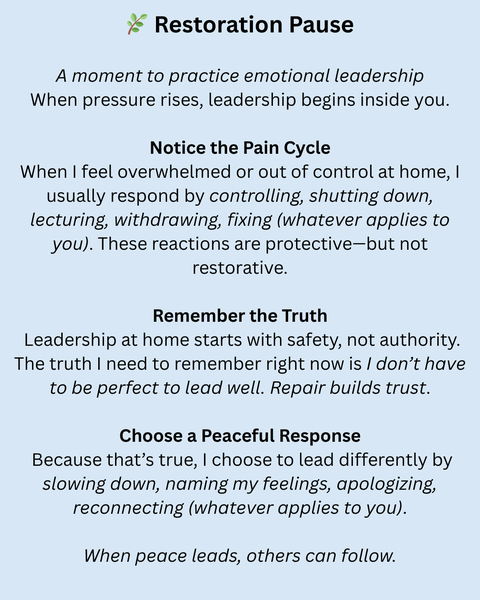
At home, leadership isn't about control. It's about regulation.
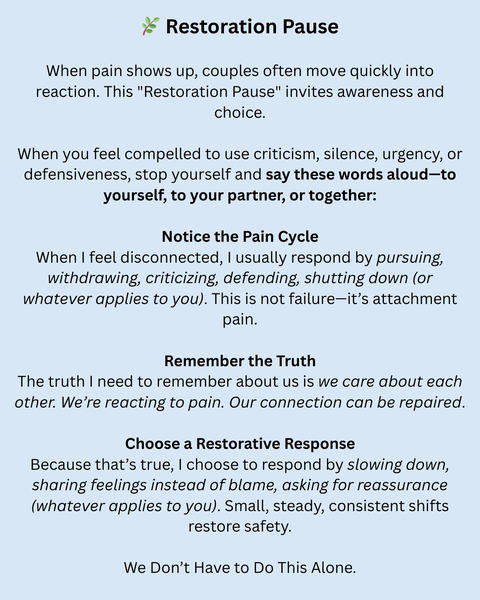
Emotional leadership means choosing presence over power, repair over perfection, and the Peace Cycle over the Pain Cycle — even when emotions are running high.
Why Control Feels Like Leadership (But Isn't)
When stress rises at home, many adults default to control: tightening rules, raising voices, shutting down feelings, or "fixing" problems quickly. These responses usually come from good intentions — keeping things safe, predictable, or manageable.
But control is often a sign that love or trust feels threatened.
From a nervous-system perspective, control is part of the Pain Cycle. It may temporarily reduce chaos, but it increases emotional distance over time. True leadership doesn't come from fear — it comes from felt safety.
Leading with Vulnerability Instead
Vulnerability doesn't mean oversharing or losing authority. It means being emotionally honest and regulated enough to say things like:
- "I'm feeling overwhelmed, and I need a minute."
- "I raised my voice earlier. I'm sorry."
- "I don't have this figured out, but I care."
These moments model strength rooted in humility. Research consistently shows that children and partners feel safer — and behave better — when adults lead with calm connection rather than emotional intensity (Siegel & Bryson, 2020).